
About NSS
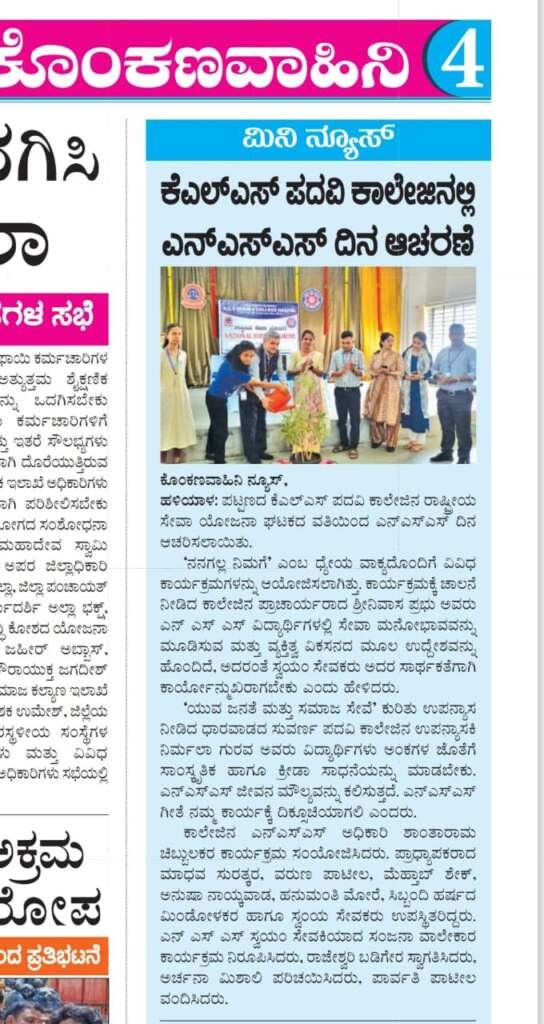
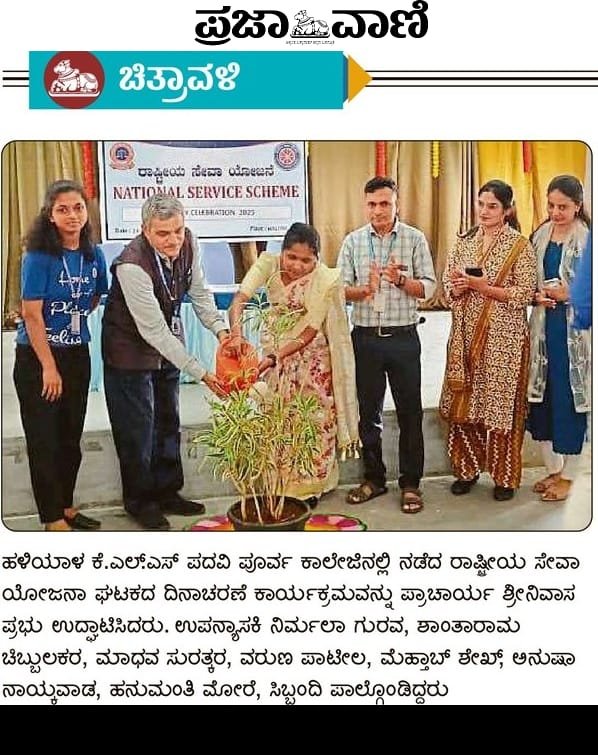
The Karnataka Law Society’s Degree College, Haliyal has its own unit of NSS. Our college is allowed to enroll 100 students including Boys & Girls in a unit and nearly 50 students participate in the special NSS camp. The students are always ready with an objective of shaping themselves and the society.

Aim of NSS
“Development of the personality of college students through community service”
MoTTo of NSS
“Not Me, But You.”
Objective of NSS
Main goals of the National Service Scheme (NSS):
- To understand the community we live and work in.
- To learn more about society and how it functions.
- To find the needs and problems of people and help solve them to improve society.
- To build a sense of social connection and responsibility.
- To use education to solve both personal and social issues.
- To develop leadership skills and democratic values.
- To gain the ability to handle emergencies and natural disasters.
- To promote national unity and social harmony.
- To reduce the gap between educated and uneducated people.
- To encourage the spirit of serving the poor and needy.
NSS Officer
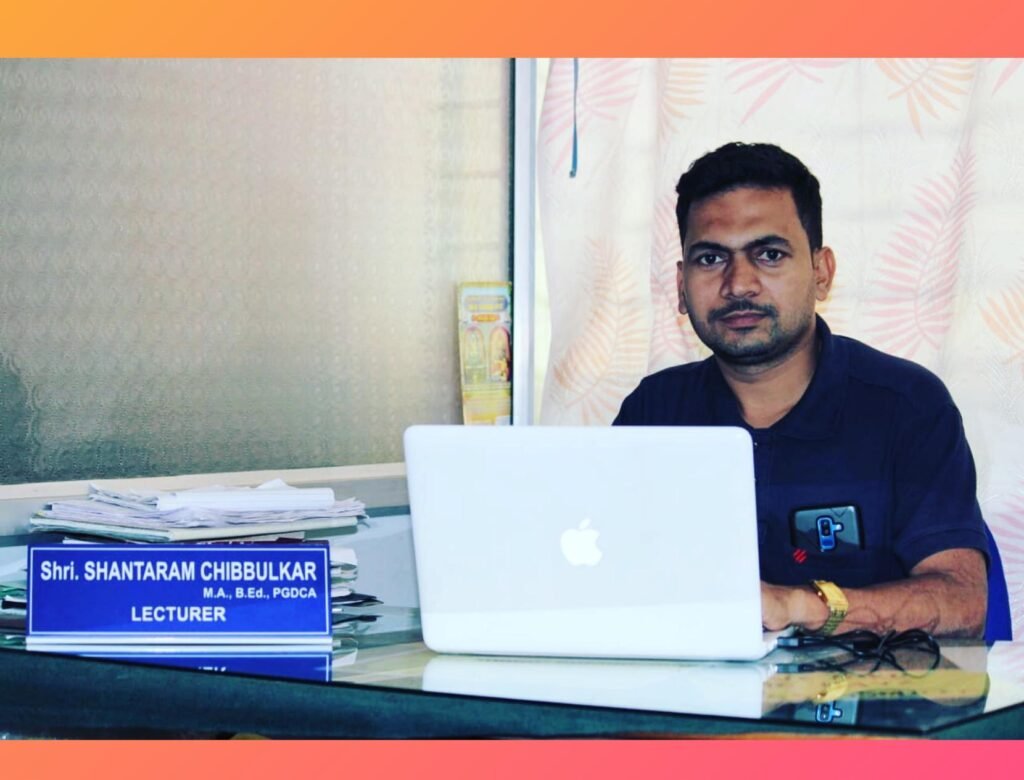
Prof. Shantaram Chibbulkar, NSS Programme Officer
NSS Activity
NSS Activities and Community Service
NSS volunteers take part in different activities in adopted villages and slums to serve the community.
Each volunteer completes 120 hours of service.
The NSS Units organize regular activities as explained below:
- Orientation of NSS Volunteers:
Volunteers are given an introduction to the NSS programme.
They spend 20 hours attending lectures, discussions, field visits, and watching videos to understand the aims and work of NSS. - Campus Work:
Volunteers also help with projects inside their own college or institution.
These projects may include:
• Developing playgrounds and gardens
• Planting trees
• Organizing awareness programmes on drug abuse, AIDS, and population education
Each volunteer can spend up to 30 hours a year on campus work. - Community Service (70 Hours)
The remaining 70 hours are used for community service in adopted villages or urban slums.
This work can be done alone or with other organizations.
Community service includes the following types of projects:
(a) Institutional Work:
Students may work with voluntary organizations that help women, children, the elderly, or the disabled.
(b) Rural Projects:
Volunteers may help in villages with activities such as:
• Removing illiteracy
• Managing water and wasteland
• Helping with farming and agriculture
• Promoting health, hygiene, nutrition, and sanitation
• Caring for mothers and children
• Promoting gender equality and family life education
• Supporting rural cooperatives and savings groups
• Building rural roads
• Campaigning against social evils
(c) Natural Disasters and National Emergencies:
During natural disasters or emergencies, NSS volunteers help the government and public by taking part in rescue, relief, and rehabilitation work.
Programme Officers guide and coordinate these efforts.
(d) National Days and Celebrations:
NSS also celebrates national days and important occasions to promote unity and awareness.
National Programmes
NSS plays an important role in national development programmes such as:
• Mass Programme of Functional Literacy
• Swachh Bharat Abhiyan (Clean India Mission)
• Tree Plantation Drives
• AIDS Awareness Programmes
• Sustainable Development (including Watershed and Wasteland Development)
NSS volunteers actively participate in these programmes with great enthusiasm and commitment.
NSS Camp
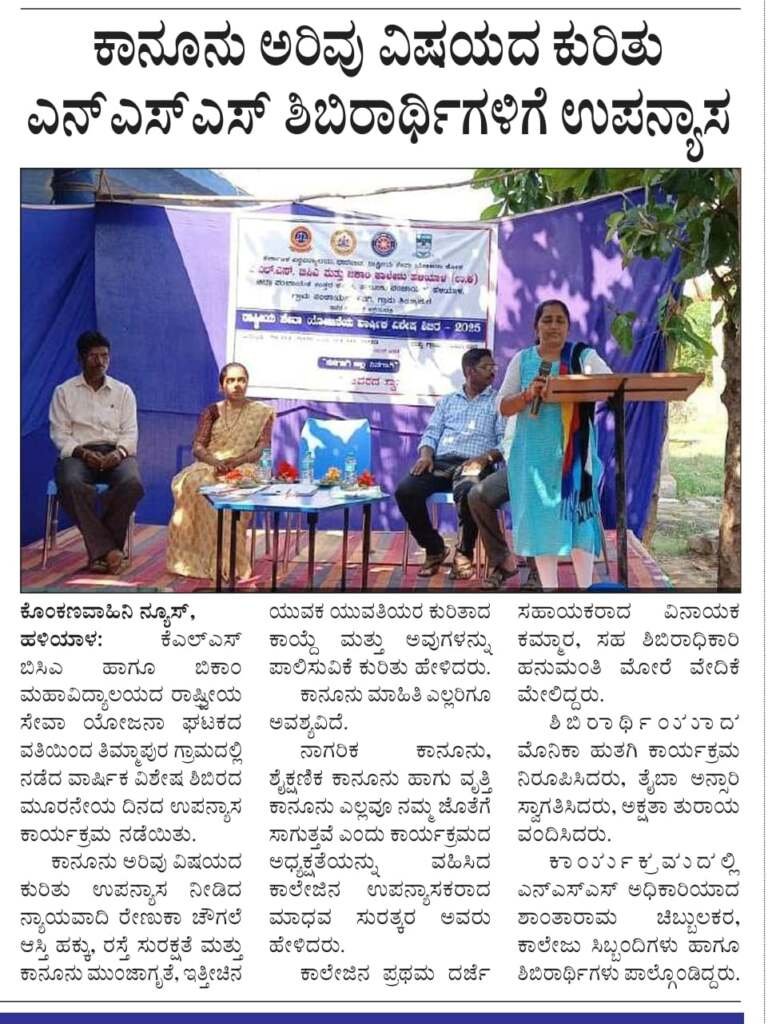
Special Camping in NSS: Special NSS camping is an important part of the National Service Scheme (NSS). It attracts young people because it gives them a chance to live in groups, share experiences, and interact closely with the community. Special camps focus on developmental issues of national importance. every year, 50% of volunteers from each NSS unit are expected to take part in a 7-day special camp.
1. Purpose of Special Camps:
- Youth Against Famine
- Youth Against Dirt and Disease
- Youth for Rural Reconstruction
- Youth for Eco-Development
- Youth for Mass Literacy
- Youth for National Integration & Social Harmony
2. Duration of the Camp
- The camp lasts 7 days.
- Volunteers should stay for the full duration, from the inaugural day to the valedictory day.
- If a project is not completed and is very important for the community, a second camp may be organized to finish it.
3. Lodging Arrangements
- Volunteers should stay in village buildings or Panchayat schools.
- Camps should not be held on college/school premises.
- Volunteers must live in the adopted area during the camp.
4. Food Arrangements
- Food should be simple, balanced, and affordable.
- Use locally available ingredients as much as possible.
- Participants should learn about meal planning and help educate the local community on healthy food.
5. Project Work
- Projects must be based on the real needs of the village or slum.
- Avoid projects that are irrelevant to the local community.
6. Community Involvement
- Local people should actively participate in project work.
- Volunteers should explain that the work benefits the community.
- If only students do the work, locals may think it is for students’ personal gain.
- The goal is to engage villagers in improving their own living conditions.
7. Camp Programme
- A daily schedule should be planned to develop discipline and devotion.
- Camps are for community service, not for picnic or leisure.
- Activities should include:
- Manual work
- Group discussions
- Cultural activities
- Community living
- Each camp may have a different schedule, depending on the project.
- The main aim is to achieve the objectives of the camp while giving volunteers a meaningful experience.
Regular Activity Report

Special camp Report
| Year | View |
| 2024-25 | View |
NSS Gallery
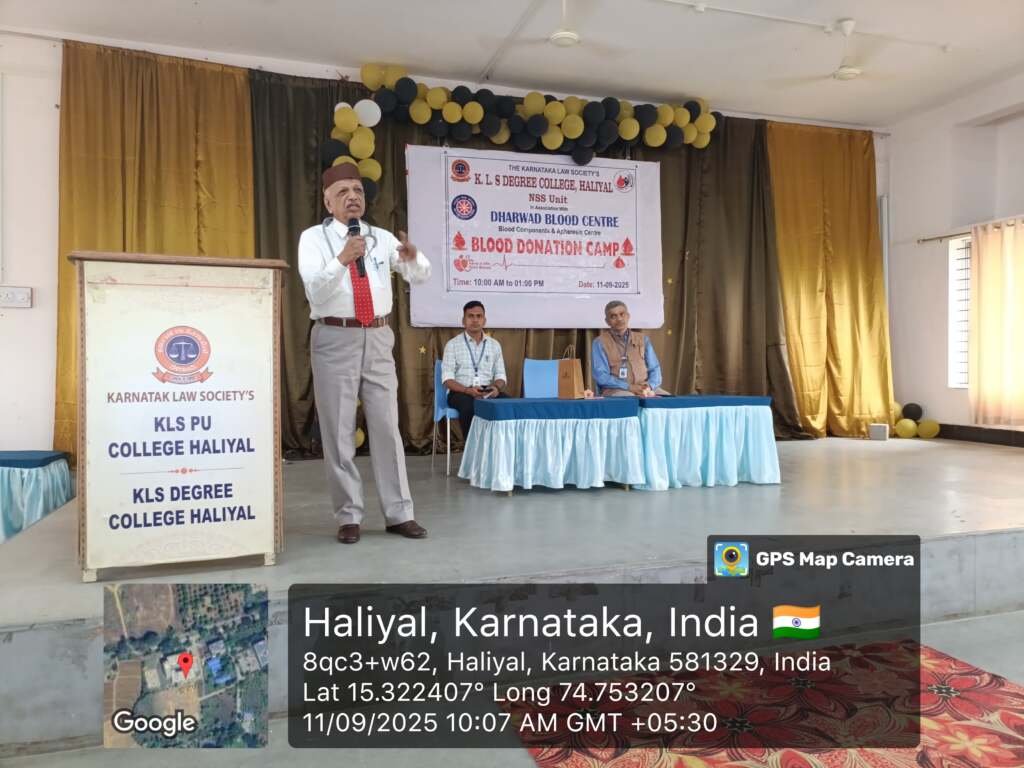
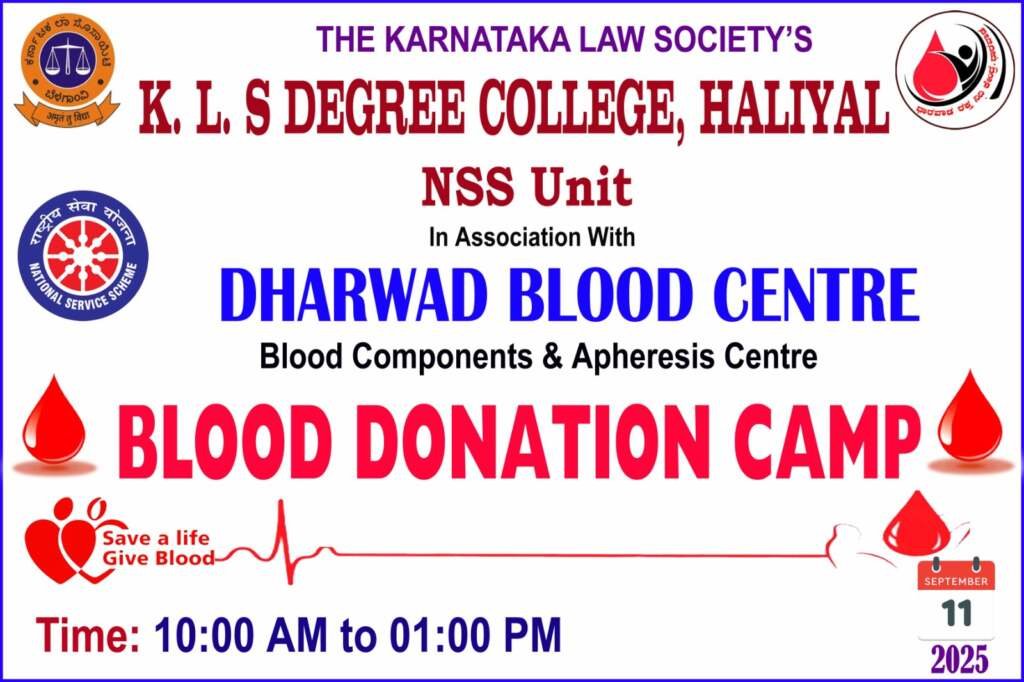
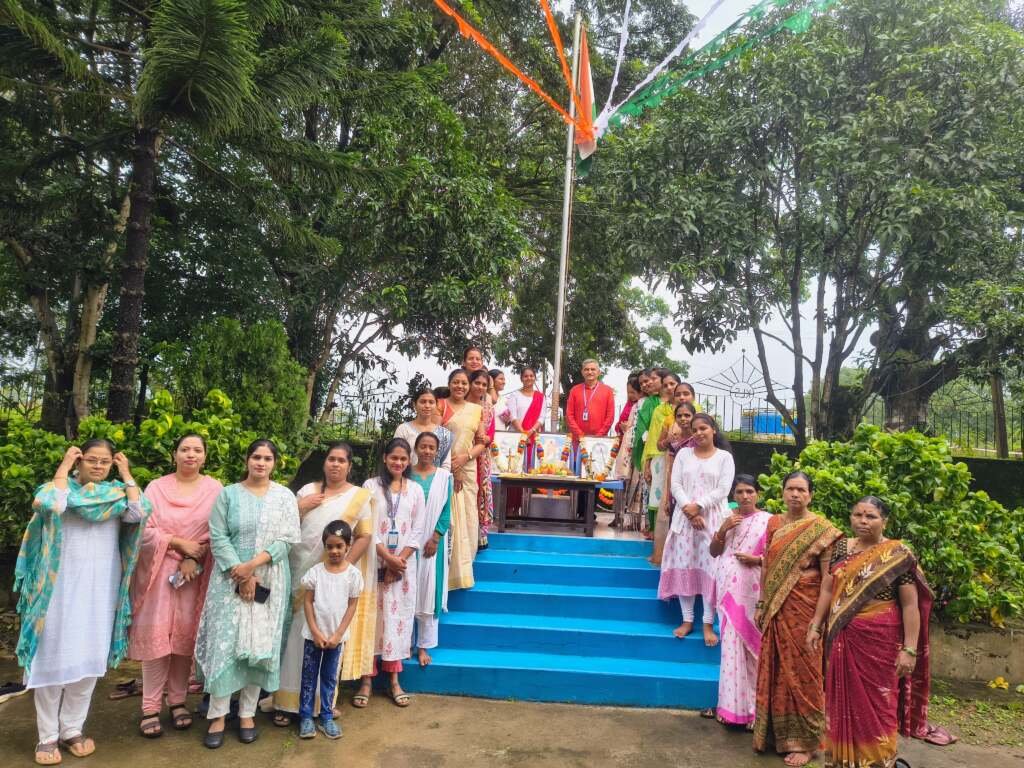
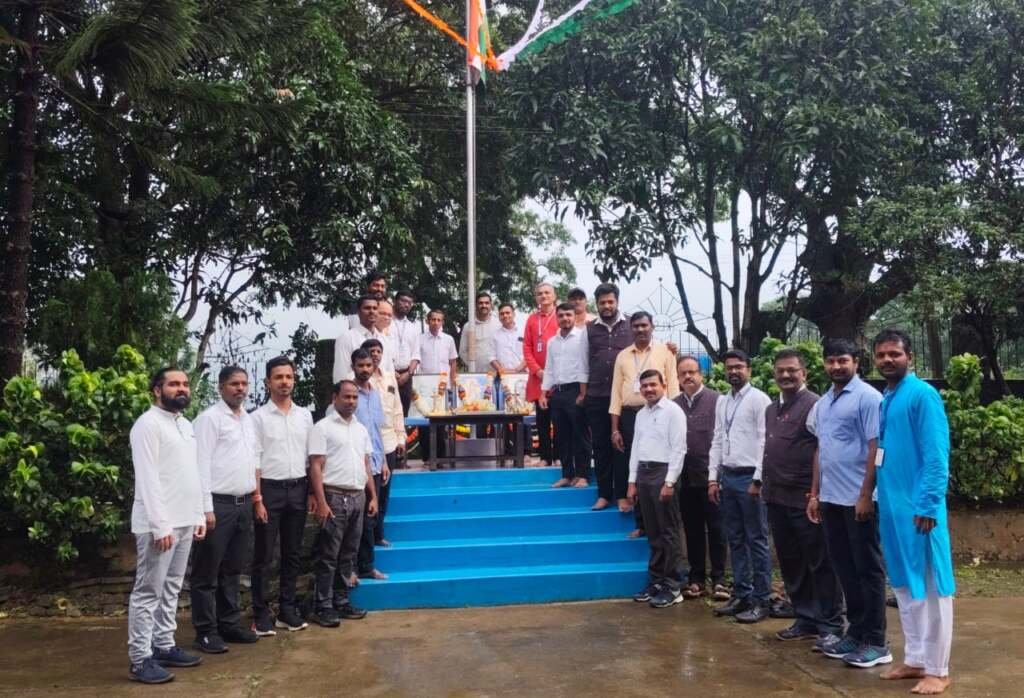
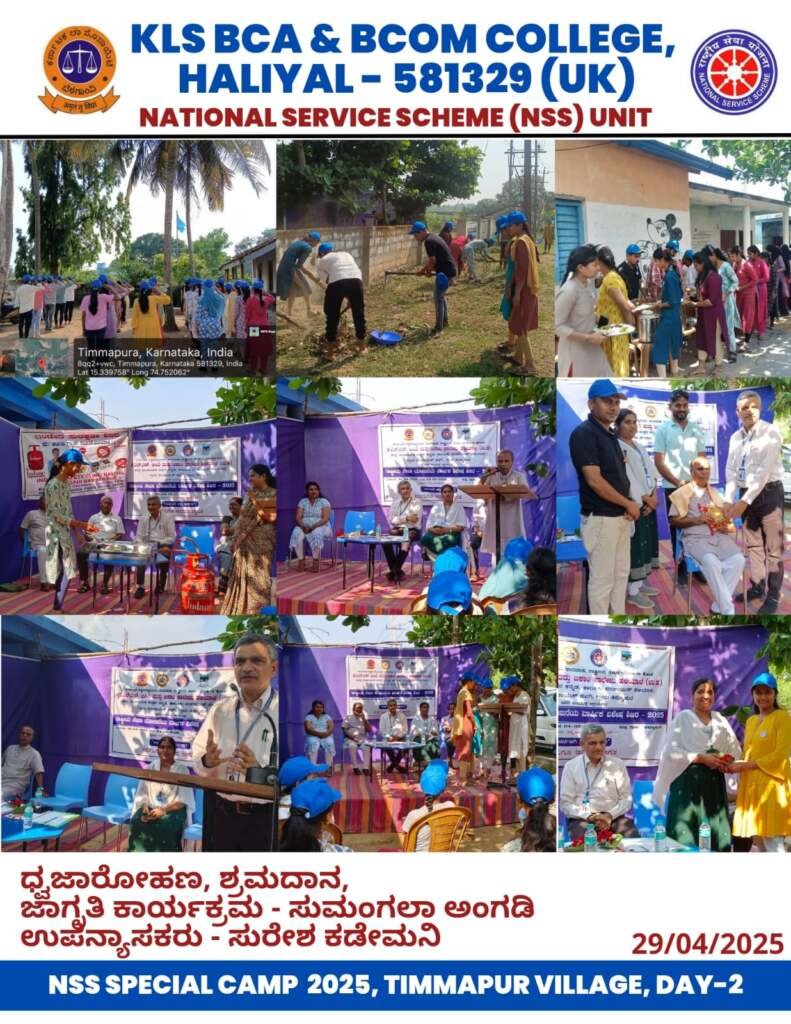
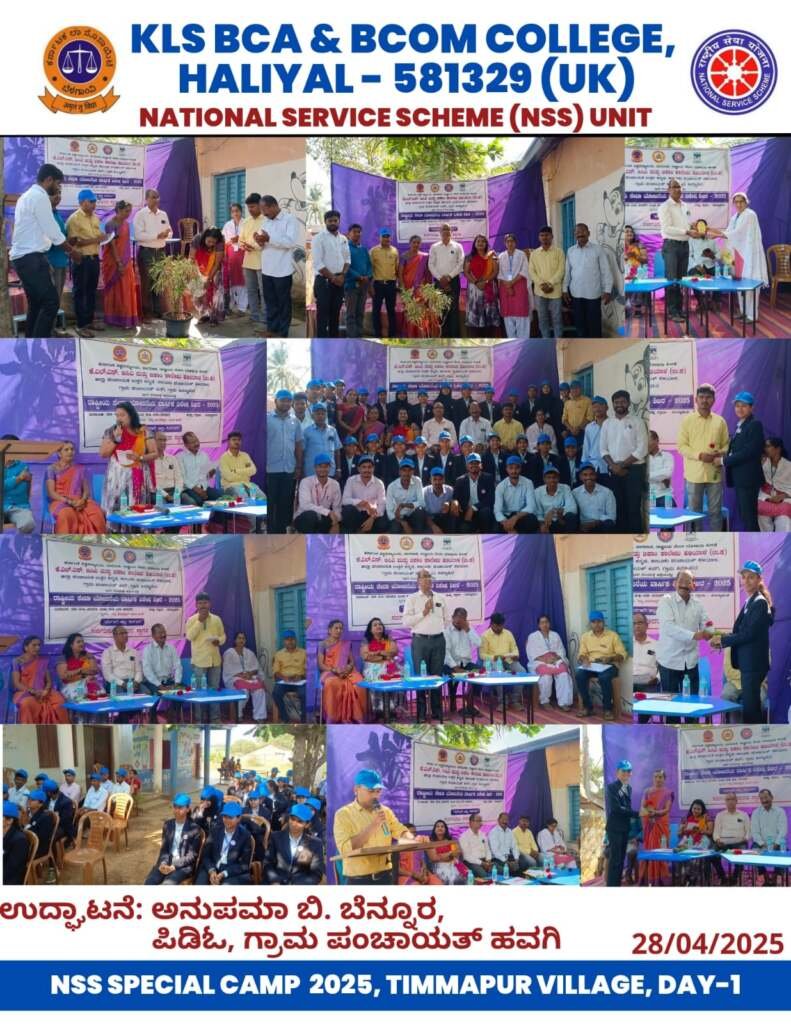
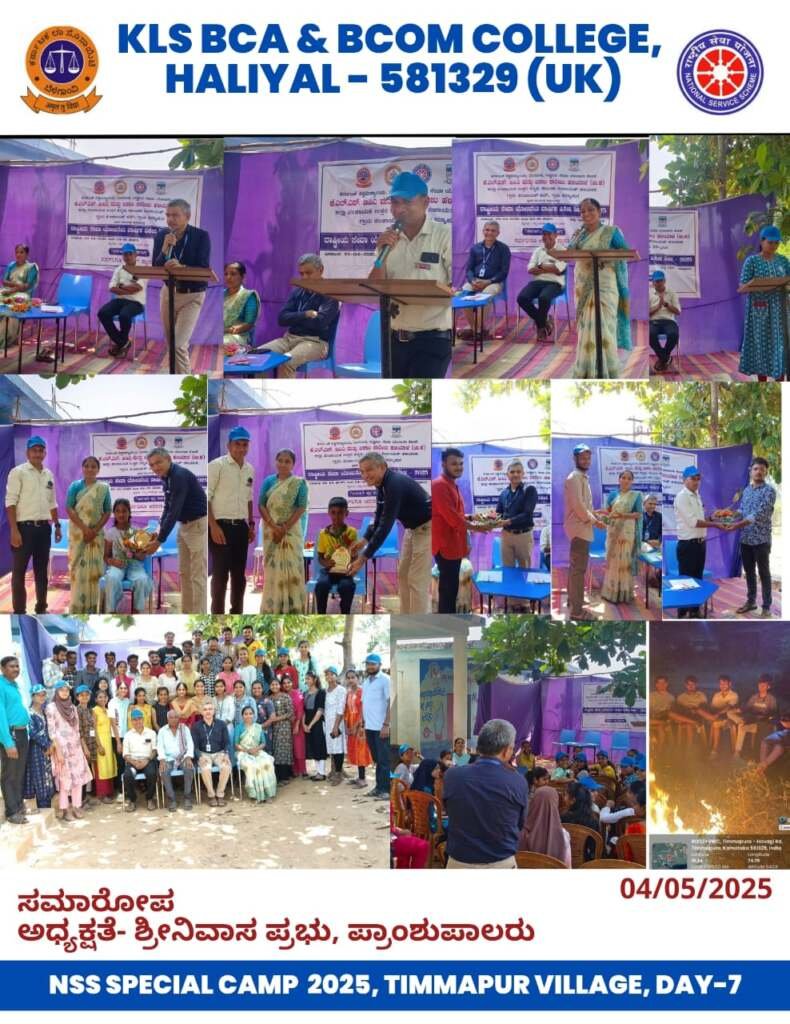
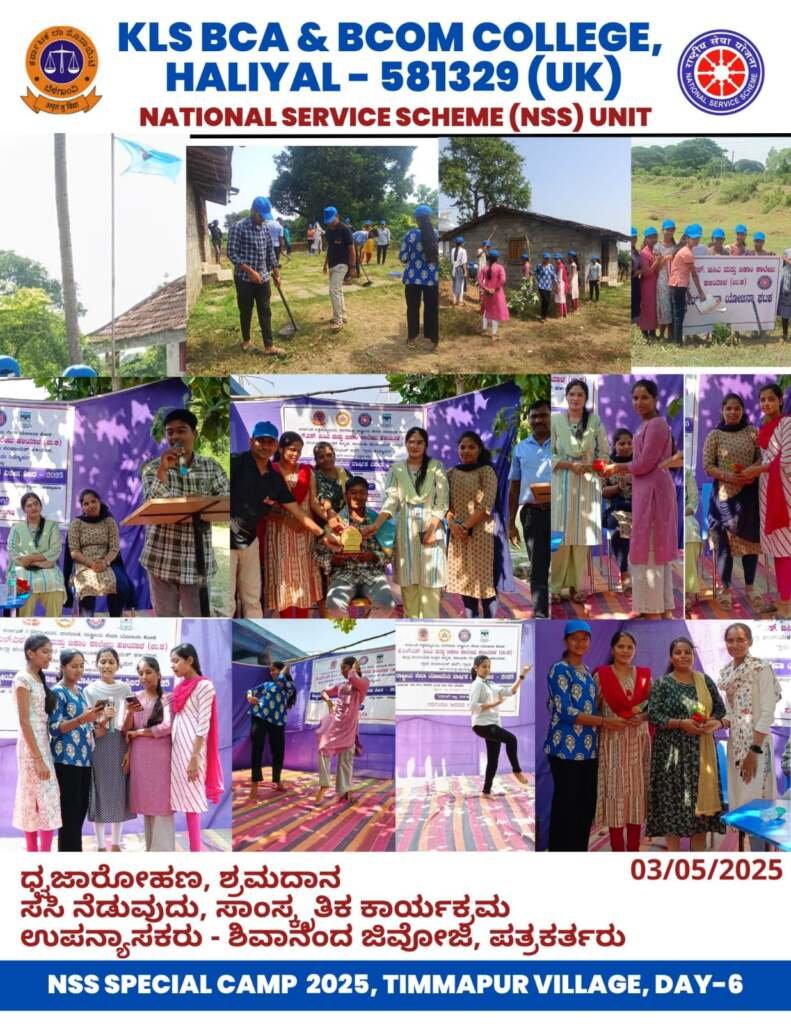
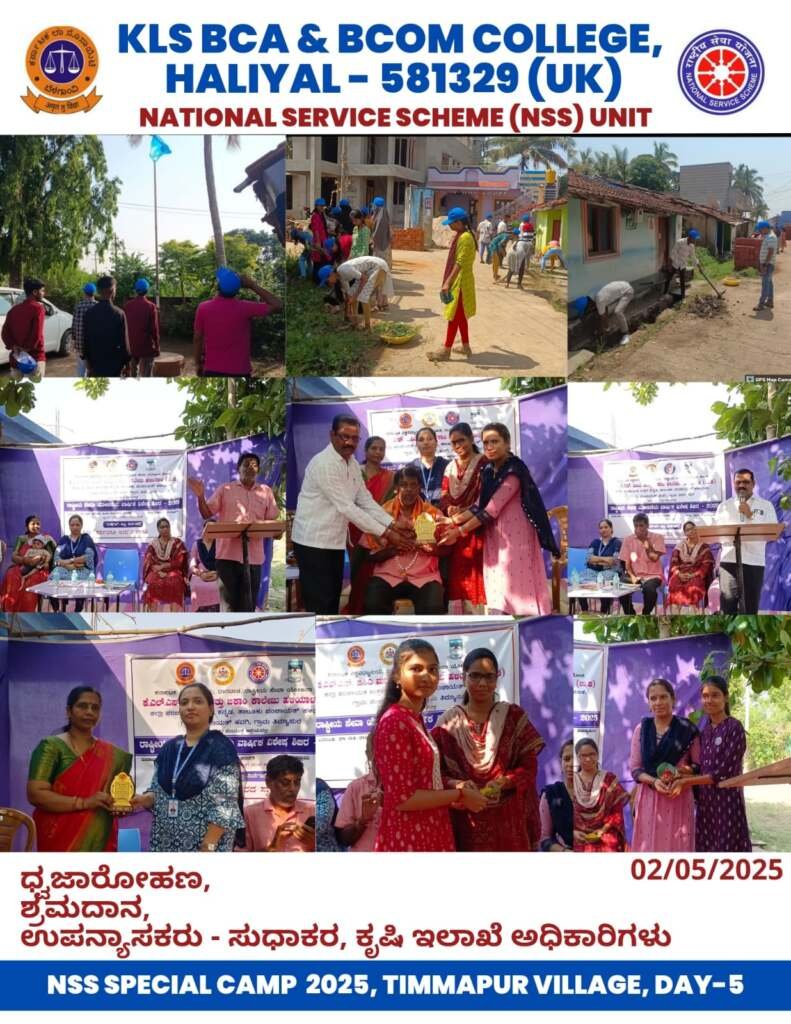
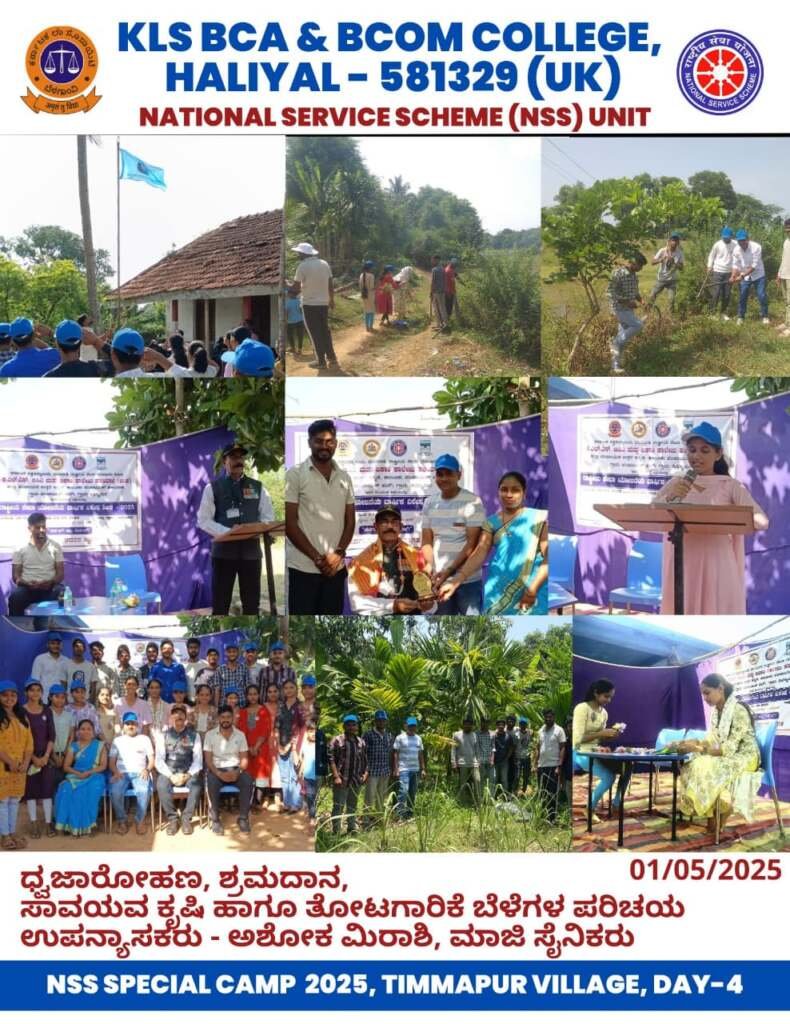
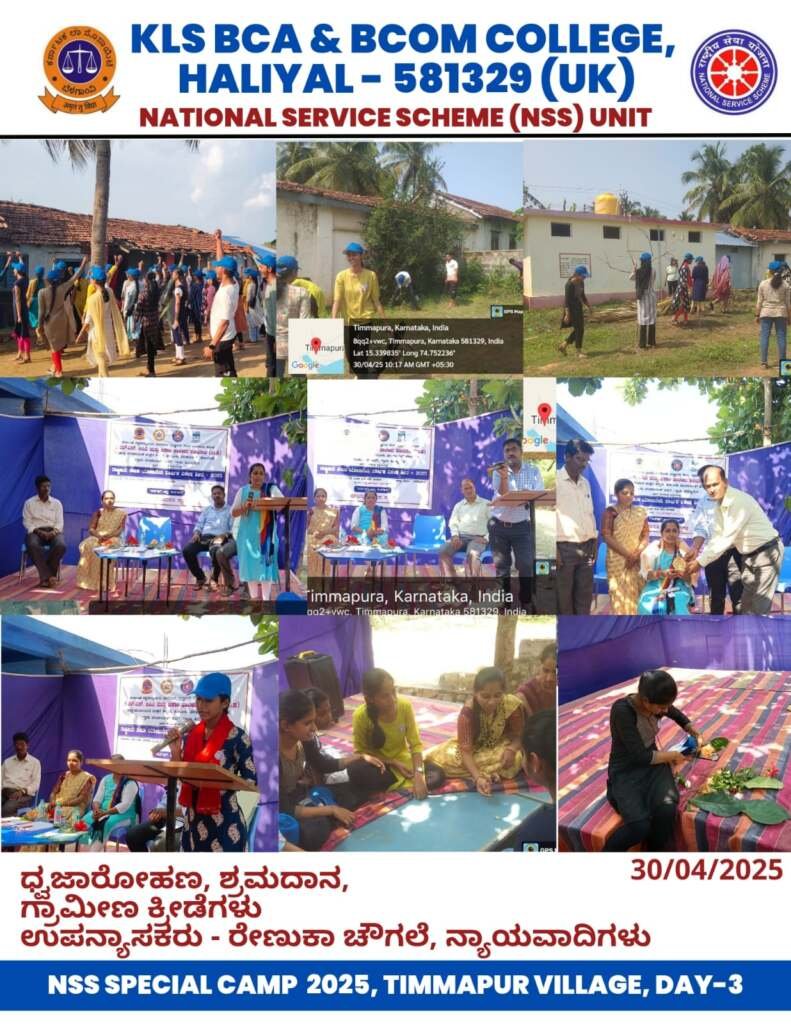


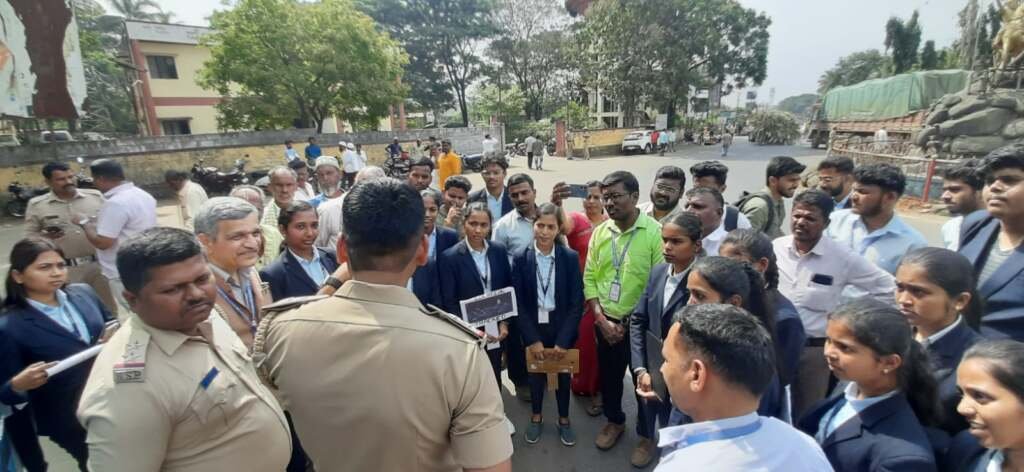

NSS News